Henri Matisse
(b. 31 December 1869, Le Cateau-Cambrésis, France – d. 3 November 1954, Nice, France)
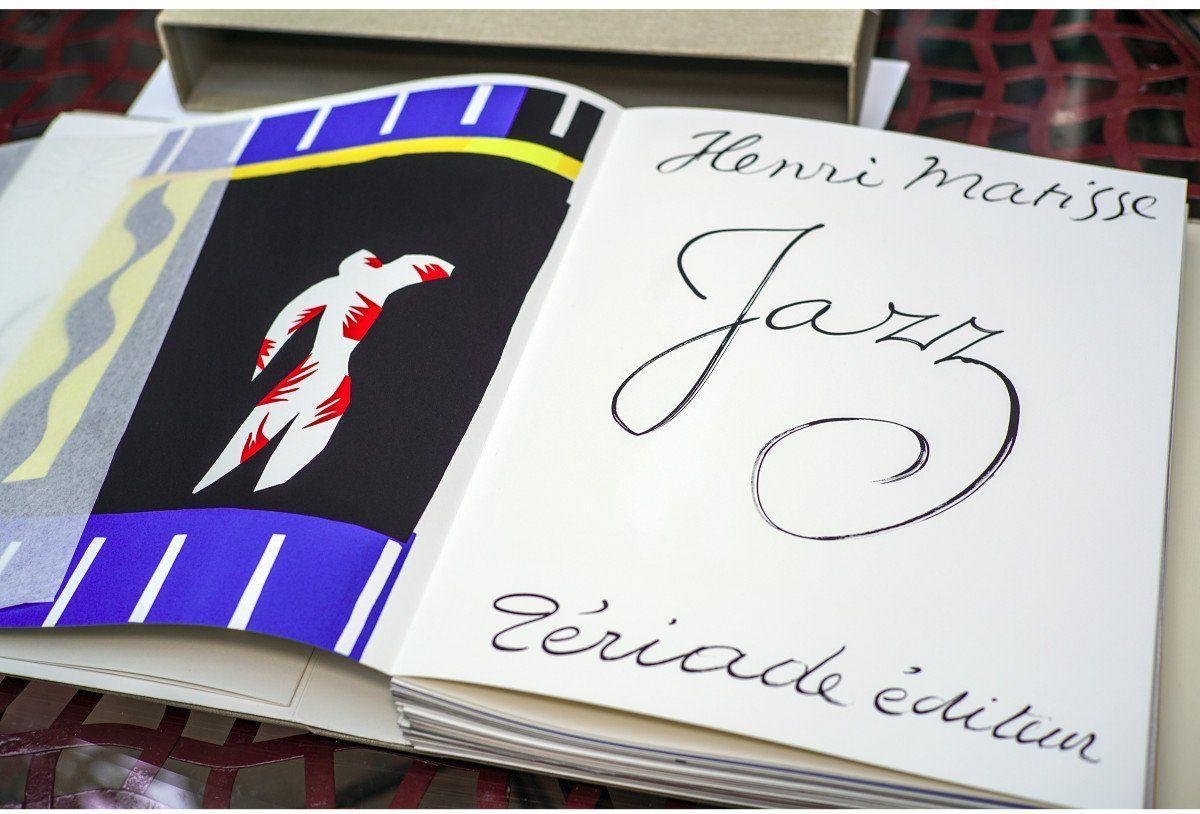
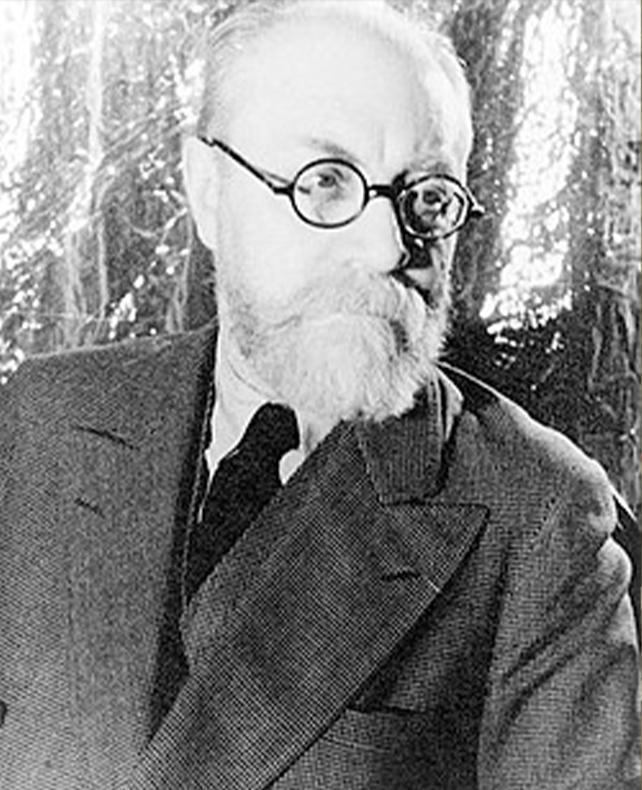
Henri Matisse was a French painter, draughtsman, sculptor, and printmaker and one of the defining figures of twentieth-century modern art. His radical approach to color, line, and composition fundamentally transformed modern painting, while his career, spanning more than six decades, encompassed painting, drawing, sculpture, printmaking, book illustration, and his celebrated paper cut-outs.
Born in Le Cateau-Cambrésis in northern France in 1869, Matisse initially studied law in Paris. He began painting in his early twenties and, in 1891, returned to Paris to pursue art, studying first at the Académie Julian and later at the École des Beaux-Arts under the Symbolist painter Gustave Moreau. His early artistic development was informed by the study of the Old Masters as well as by contemporary movements including Impressionism and Neo-Impressionism.
A decisive transformation occurred during his stays in southern France in 1904 and 1905. Working alongside artists such as André Derain, Matisse began using intense, non-naturalistic colors and energetic brushwork as independent means of expression. The paintings exhibited at the Salon d'Automne in 1905 contributed to the emergence of Fauvism, one of the first major avant-garde movements of the twentieth century.
Throughout his career, Matisse continuously reconsidered the relationship between color, line, pattern, and space. Portraits, interiors, landscapes, still lifes, and the human figure became recurring subjects through which he pursued an increasingly simplified and expressive visual language. His works frequently dissolve conventional perspective in favor of flat areas of color, decorative rhythms, and fluid contours, establishing a distinctive balance between observation and abstraction.
Matisse settled in Nice in 1917, and the light, interiors, textiles, and Mediterranean atmosphere of southern France became central to several important periods of his work. In his later years, physical limitations led him to develop the gouaches découpées, or paper cut-outs, in which shapes cut from sheets painted with gouache allowed him to unite color and drawing in a new medium. These works became one of the most recognizable and influential aspects of his late practice.
Among the culminating achievements of his career was the Chapelle du Rosaire in Vence, inaugurated in 1951, for which Matisse conceived an integrated environment encompassing architecture, stained glass, ceramics, murals, and liturgical elements. He died in Nice on 3 November 1954, leaving an artistic legacy that profoundly influenced generations of artists and the development of modern art.
Auctions from Henri Matisse